
Sheet metal processing is a core sector within the metalworking industry, spanning a wide range of applications. Processing technologies have evolved through multiple generations—including wire-cut EDM, shearing, plasma cutting, oxy-fuel cutting, and stamping—with fiber laser cutting now established as the mainstream method. Thanks to core advantages such as ultra-high precision, rapid cutting speeds, and flexible, die-less processing, laser cutting is reshaping production models and creating new growth opportunities for sheet metal manufacturers.
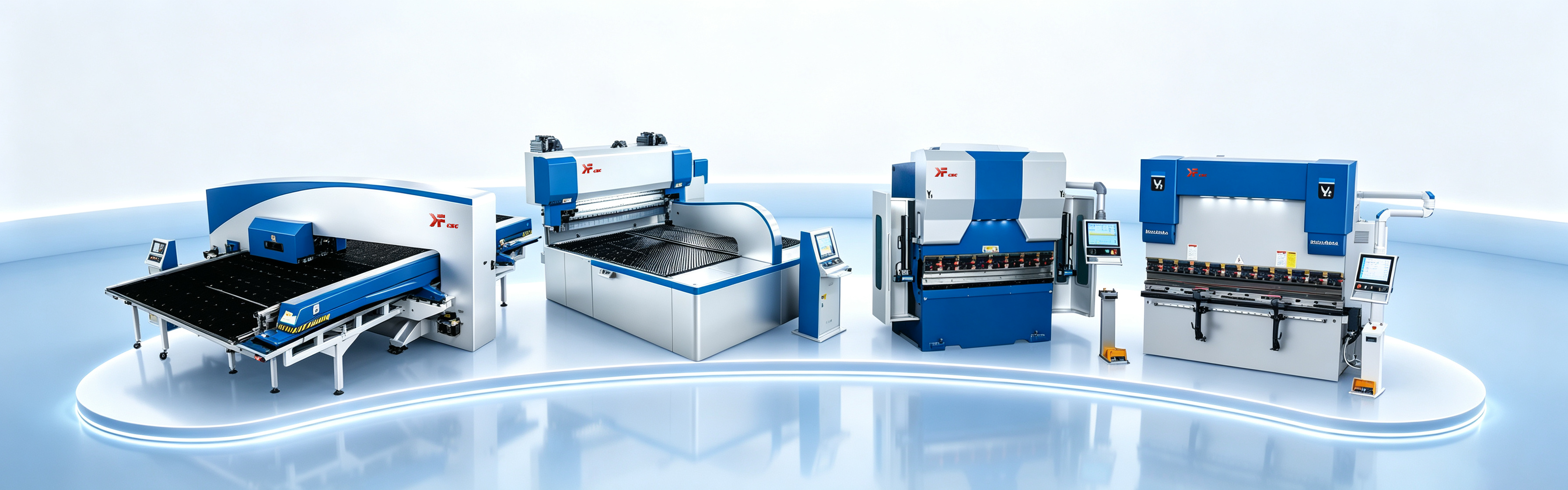
Traditional sheet metal blanking involves a cumbersome workflow requiring sequential steps like plate cutting, punching, and deburring, while relying heavily on custom-made dies. Traditional stamping, for instance, entails high mold-making costs and complex processes; it struggles to meet modern demands for personalized, diverse, and customized designs, leading to increased material waste and financial loss. In contrast, KAFE CNC fiber laser cutting machines allow for the direct import of digital drawings to achieve finished parts in a single operation. This eliminates multiple pre-processing steps and delivers superior surface finish and dimensional accuracy compared to traditional methods.
Laser cutting represents a technological revolution in sheet metal processing and serves as a cornerstone of modern manufacturing. Its flexibility and adaptability effectively resolve common pain points associated with traditional methods—such as poor precision, slow changeover times, and high costs—driving a steady rise in demand for laser cutting equipment among manufacturers.
KAFE CNC’s proprietary fiber laser cutting machines offer exceptional flexibility and high cutting speeds, significantly shortening product delivery times. Whether producing simple standard parts or complex, irregular components, the machines ensure rapid, single-step forming. They feature narrow kerfs and excellent edge quality, alongside a high level of automation that simplifies operation and eliminates dust pollution. Supporting intelligent automatic nesting and common-line cutting, the machines maximize material utilization and eliminate tool wear. They are compatible with a vast array of metal sheets, including carbon steel, stainless steel, aluminum, and copper. Ultimately, they offer lower long-term production costs, generating substantial economic value for sheet metal enterprises.