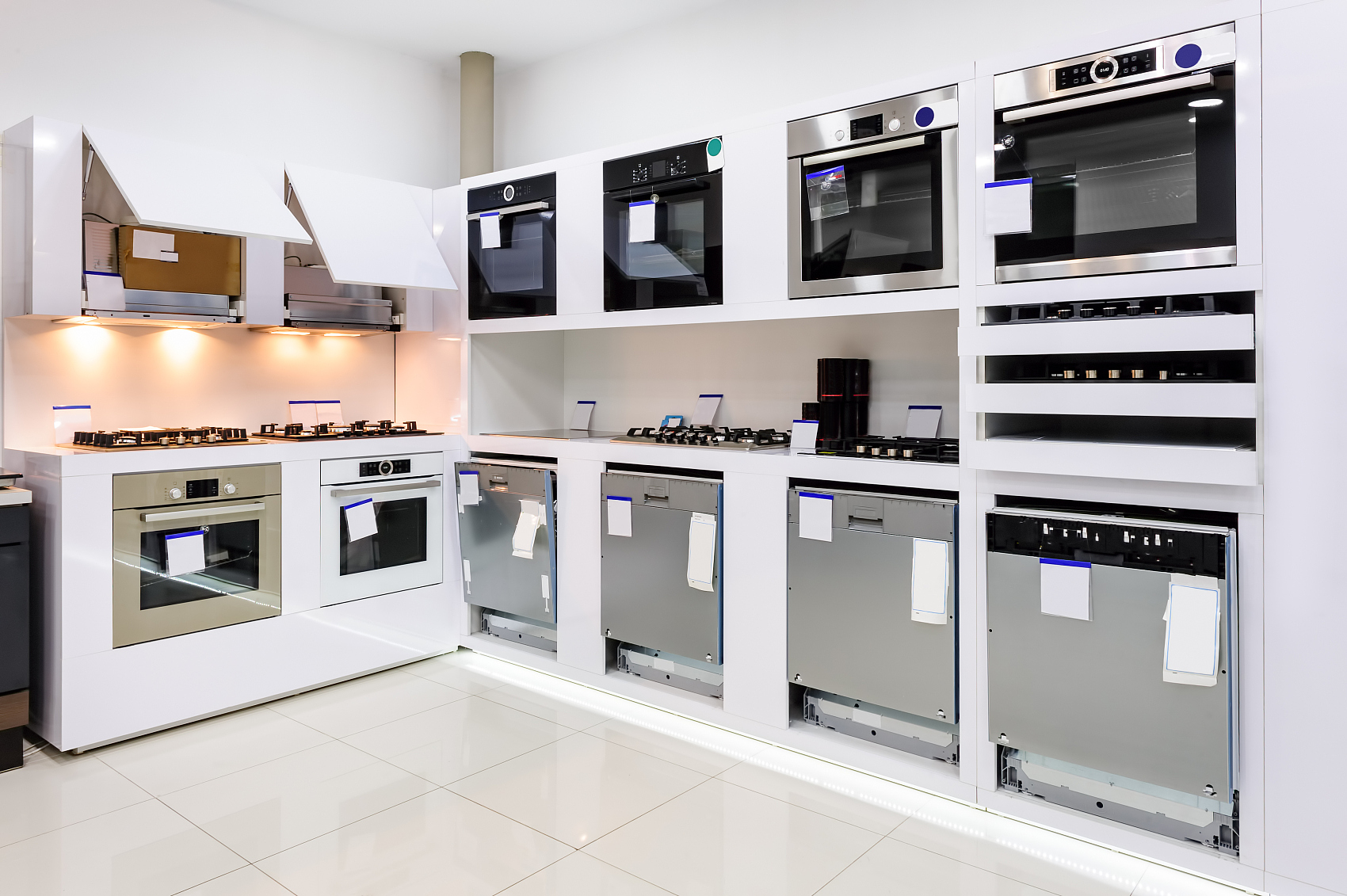
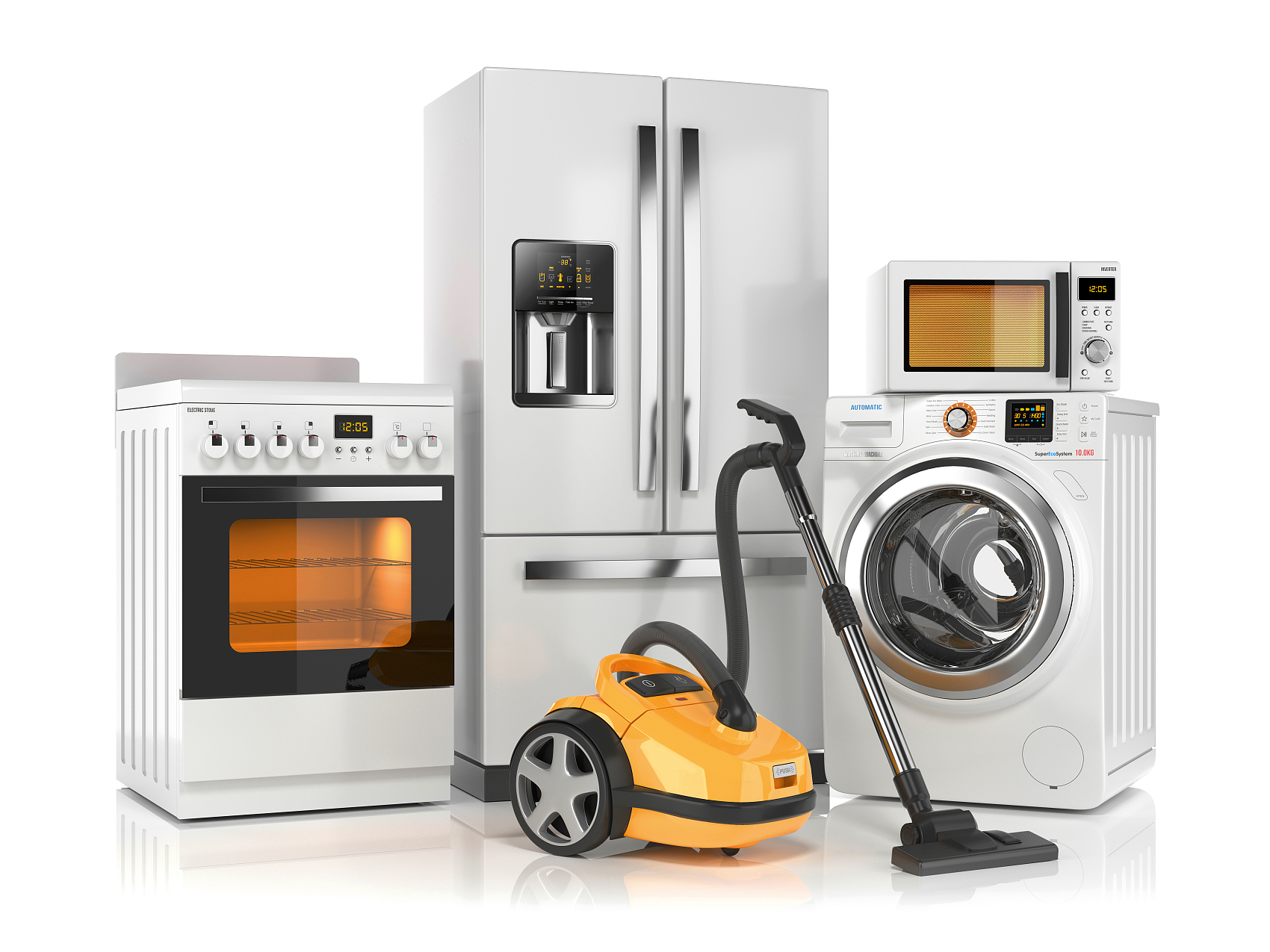

Fiber laser cutting machines are primarily used in the home appliance manufacturing industry for cutting and blanking sheet metal for exterior decoration and thin steel plate components for internal parts of complete electrical appliances. With the widespread adoption of KAFE CNC laser processing equipment by many home appliance manufacturers, the overall appearance quality of the machines has been effectively improved, overall production costs reduced, and the workload of frontline workers lessened. This has comprehensively revolutionized traditional sheet metal processing techniques, bringing considerable production benefits to home appliance factories.
Laser cutting boasts core advantages such as high processing precision, low surface roughness, high sheet metal utilization, and high production speed. In the field of precision thin sheet metal processing, it possesses irreplaceable competitiveness compared to traditional shearing and punching processes. Lasers achieve non-contact, high-speed, and high-precision cutting using a high-density beam. Home appliance sheet metal parts are diverse in style and have many irregular shapes; traditional processes require a large number of tooling molds, severely restricting workshop processing efficiency.
Metal sheet metal components account for over 30% of complete home appliances. Traditional blanking, corner cutting, hole drilling, and edge trimming processes are outdated and prone to dimensional deviations and surface scratches, directly lowering finished product quality and increasing material and labor costs.
Traditional stamping processes require numerous custom-made molds. Home appliance parts have a wide variety of opening specifications, with a high proportion of non-standard, small-batch single-item orders. Mold development involves significant investment and lengthy production cycles, making it difficult to adapt to the flexible production needs of multiple product categories.
Using a handheld jigsaw for opening holes results in rough cut surfaces, difficulty in controlling dimensional accuracy, high labor intensity for workers, loud equipment noise, frequent saw blade wear, and overall low production efficiency.
KAFE CNC fiber laser cutting machines specialize in processing thin metal sheets for the home appliance industry. They can complete the entire cutting process for appliance exterior sheet metal, electrical control cabinets, and electrical component mounting plates. The metal casings and internal frames of everyday appliances such as refrigerators, air conditioners, and washing machines can all be formed and processed in a single operation using this equipment.
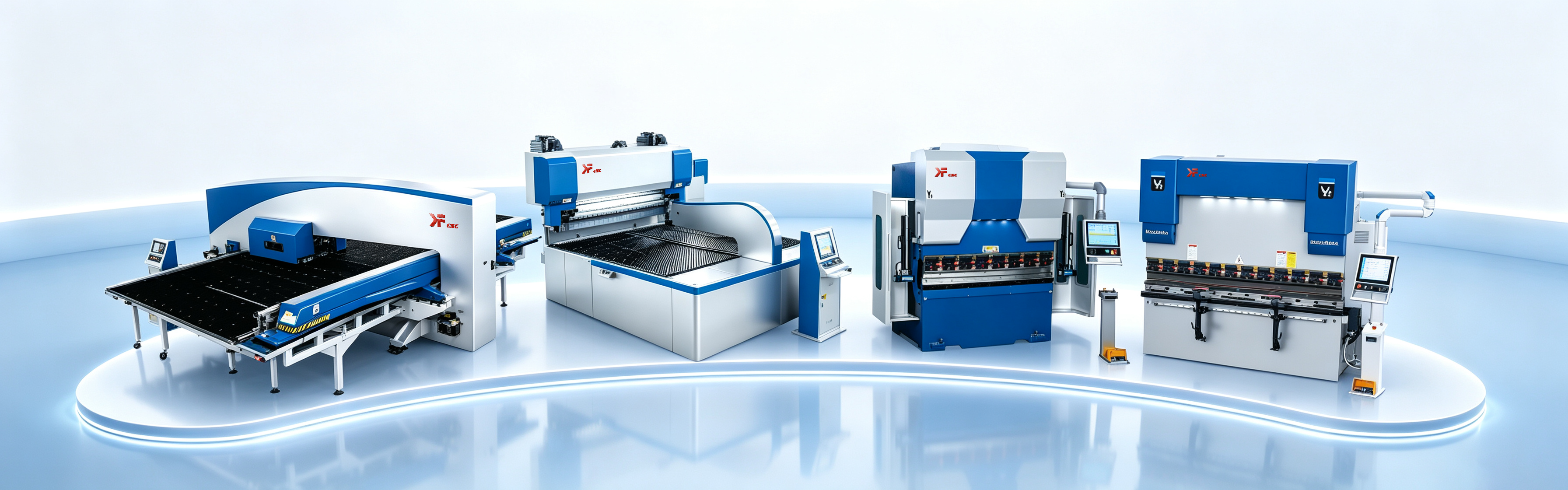
Recommended KAFE CNC Equipment
| Equipment | Role in this industry |
|---|---|
| Fiber laser cutting machine | Die-less blanking of sheet metal, plates and tubes with narrow kerfs and burr-free edges |
| Plate & tube laser cutting machine | One system for both flat sheets and structural tubes and profiles |
| CNC press brake / panel bending center | Precision bending of cut parts into finished components |
| Deburring & edge rounding machine | Removes laser-cut burrs and rounds edges for safe, finished parts |
* Each industry has different part sizes and materials. Send us your drawings and we will recommend the right configuration.
FAQ
Q: Why is laser cutting used in home appliance manufacturing? A: Appliances need precise, good-looking sheet panels. Laser cutting delivers accurate blanking and clean edges at high speed, supporting both quality and output.
Q: What appliance parts can be cut? A: Exterior shells, door panels, internal brackets, mounting plates and ventilation parts for refrigerators, ovens, washing machines and kitchen appliances.
Q: Can it cut coated and stainless sheet? A: Yes. The process cuts coated, painted and stainless sheet while protecting the visible surface, with no burrs on the edge.
Q: How does it protect panel appearance? A: Non-contact cutting avoids surface marks and deformation, and clean edges need no grinding that could damage the finish.
Q: Is laser cutting economical for mass production? A: Yes. Fast cutting, automated operation and efficient nesting lower the cost per part in high-volume appliance lines.
Q: How does die-less cutting help product changes? A: New panel designs only need a new digital program, so models and styles can be switched without new tooling.
Q: Can cut parts feed directly into bending? A: Yes. Accurate flat blanks go straight to press brakes or panel bending centres to form the final appliance parts.
Q: What about small internal components? A: Laser cutting handles fine holes, slots and complex shapes in one setup, suitable for brackets and internal structural parts.
Q: What is the price, delivery time, and can I test my parts? A: Price depends on power, table size and automation. Send us your drawings and material and we will confirm the configuration, quote and a sample test.