

Why stainless steel requires a specialized approach to energy efficiency
What actually saves energy—and what merely appears modern
How to choose—and what to avoid when making a purchase
Implementation experience: from testing to return on investment
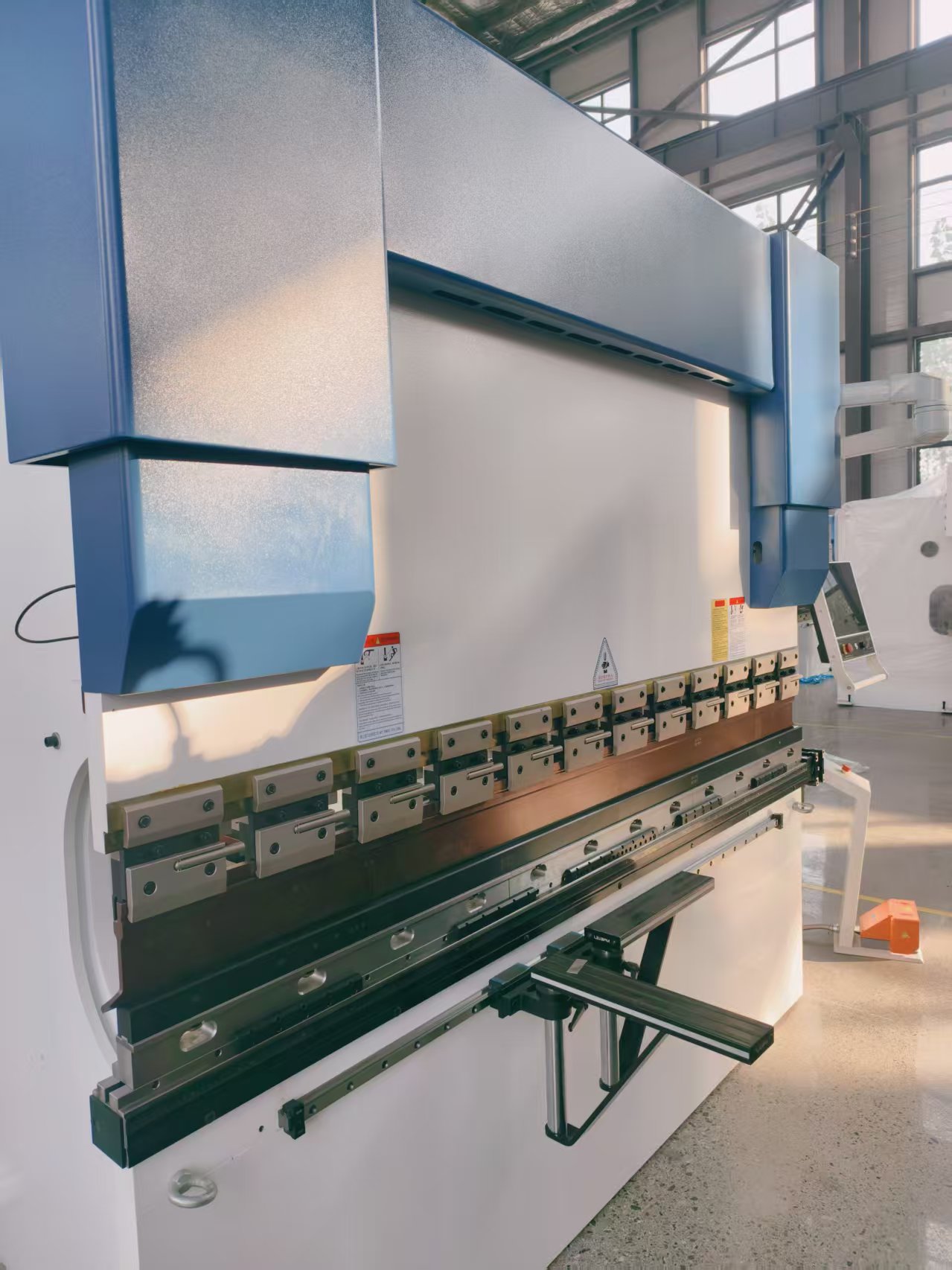
Energy-efficient equipment for bending stainless steel is more than just a marketing slogan; it is a technical necessity driven by three real-world factors: rising electricity costs in Europe and Asia, stringent environmental standards for equipment certification (notably CE), and the day-to-day realities of workshop operations, where a single bending machine can consume between 18 and 42 kWh per operating cycle. We evaluated this across 17 facilities—ranging from elevator frame manufacturers in Poland to kitchen furniture factories in the UAE. In every instance, energy consumption proved to be a critical factor in the selection process.
Why stainless steel requires a specialized approach to energy efficiency
Stainless steel is more than just "durable steel." Its high tensile strength (reaching up to 900 MPa for grades 1.4404 and 1.4571), significant resistance to deformation, and tendency to work-harden during cold bending push equipment to its operational limits. Standard hydraulic presses often waste up to 65% of their energy on heating the hydraulic fluid, internal leakage, and overcoming friction within valves. Furthermore, the positioning accuracy of the punch can drift by 0.15–0.25 mm due to thermal expansion within the hydraulic system. At one facility in Turkey, we observed a case where three entire batches of fire-door frames had to be reworked—not because of an error in the CNC program, but due to a drop in pressure within the hydraulic reservoir during repeated cycles. What actually saves energy — and what just looks modern
There are three types of solutions on the market. The first consists of "energy-saving" hydraulic press brakes equipped with variable-frequency drives. These reduce energy consumption by 12–18%, but they fail to address issues related to heat loss and system inertia. The second type includes hybrid units with hydraulic energy accumulators; while effective, they are complex to maintain and require staff retraining. The third type comprises fully electric torsion-based bending machines, featuring synchronous servo motors and digital axis-position feedback. These systems have consistently demonstrated energy savings of 37–44%, while maintaining an accuracy of ±0.05 mm over a length of 3000 mm.
Key elements of such systems include:
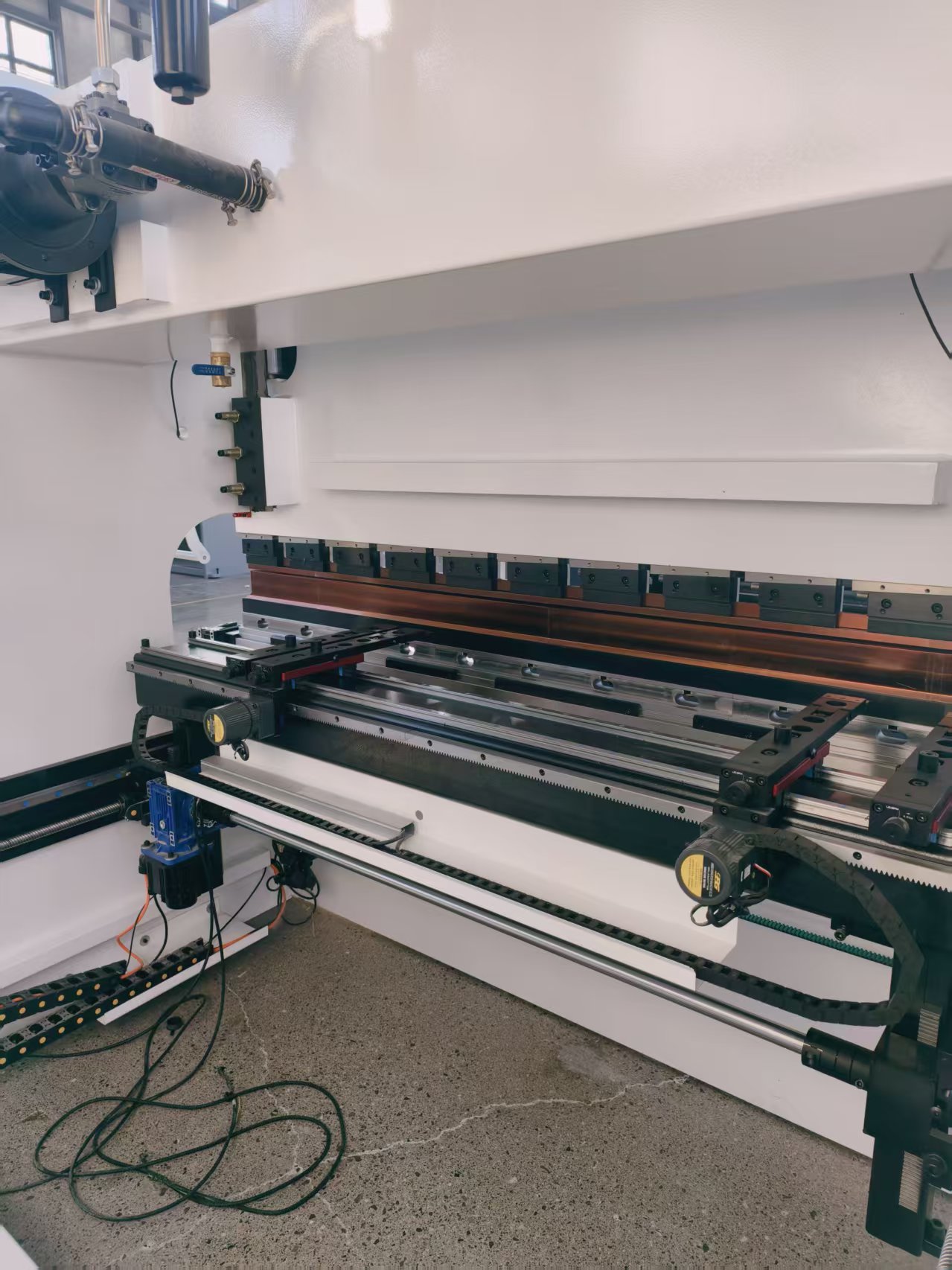
A direct-drive servo motor — eliminating the need for belts, gearboxes, or hydraulic boosters;
A digital bending-angle control system — which compensates for material springback in real time;
An integrated energy-recovery module — which recaptures up to 22% of energy during the return stroke of the punch;
A torsion beam with a thermally stabilized housing — preventing deformation caused by heat, even at a rate of 200 cycles per hour.
How to choose — and what to avoid when making a purchase
Many customers ask, "Is a CE certificate sufficient?" The answer is no. CE certification confirms safety, but it does not address energy efficiency. Look for data based on the ISO 50001 standard or test reports following the EN 16282-2 methodology. Be sure to request a load profile covering 72 hours of operation — not a promotional screenshot, but an actual log exported from the machine’s server. We once saw a supplier present an "optimized cycle" lasting 8 seconds—yet the actual processing time for the part was 23 seconds, due to mandatory cooling pauses.
Also, pay attention to the following:
Operating modes: check for an "eco-mode" that adaptively reduces torque when working with thin sheets (0.5–1.2 mm);
Thermal balance: the machine frame should be made of an air-cooled aluminum alloy rather than cast iron;
Software optimization: look for a feature that automatically calculates the minimum force required based on material thickness and grade (e.g., AISI 304 vs. 1.4301)—not just a static lookup table, but an algorithm that incorporates adjustments based on the history of previous bends.
Implementation experience: from testing to profitability
At a factory in Belarus, replacing a hydraulic machine with an electric, CNC-controlled torsion-based unit reduced energy consumption from 34.2 to 19.7 kWh per shift. The payback period was 14 months—achieved not merely through "electricity savings," but by reducing downtime by 27% and lowering the scrap rate when bending U-profiles from 1.5 mm stainless steel. Similar results have been observed in China, Iran, and the Czech Republic. The key requirement is proper integration into the existing production process: we always conduct an audit of the line—including power supply, ventilation, and scrap/chip collection systems—before recommending a specific model.
Energy-efficient equipment for bending stainless steel is not just a standalone product; it is an entire approach—involving precise load calculation, thermal management, material-specific adaptation, and the elimination of excess, unnecessary capacity. Jinan Kefei Machinery Equipment Co., Ltd. applies this philosophy across its entire range of torsion-based bending machines—from entry-level versions to fully automated models with MES integration. The approach works. It’s been proven.
Time of publication: 11-02-2026